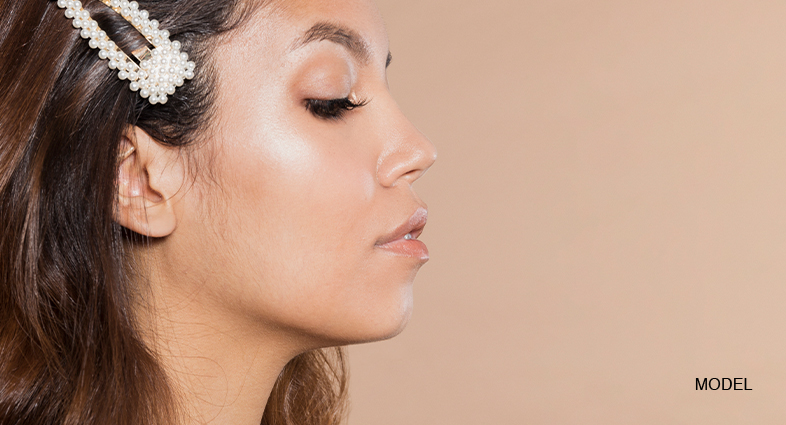


Rhinoplasty procedures are surgical techniques used to change the shape, size, structure, or proportions of the nose. Often called nose reshaping surgery, rhinoplasty may be performed for cosmetic reasons, functional concerns, or a combination of both.
Because the nose is a complex structure that affects both facial appearance and breathing, rhinoplasty is highly individualized. The appropriate technique depends on the patient’s anatomy, goals, nasal structure, previous injuries or surgeries, and whether functional concerns need to be addressed.
Understanding the different rhinoplasty procedures, how surgery is performed, and what recovery may involve can help patients prepare for an informed consultation.
What Is Rhinoplasty?
Rhinoplasty is a surgical procedure that reshapes the nose by modifying its underlying bone, cartilage, soft tissue, or a combination of these structures.
Cosmetic rhinoplasty may be performed to change features such as the nasal bridge, tip, nostrils, overall size, or proportions of the nose. Functional rhinoplasty may address structural problems that interfere with normal breathing.
In some cases, rhinoplasty may be performed alongside procedures such as septoplasty when a deviated septum contributes to breathing difficulties.
The objective is not simply to create a particular nose shape. A surgeon must consider how changes to the nose relate to the rest of the face and how structural modifications may affect nasal function.
What Are the Main Types of Rhinoplasty Procedures?
There are several ways rhinoplasty can be categorized. Two of the most commonly discussed approaches are open rhinoplasty and closed rhinoplasty.
Open Rhinoplasty
Open rhinoplasty involves an incision across the columella, the strip of tissue between the nostrils, in addition to incisions inside the nose.
This approach allows the surgeon greater access to the underlying nasal structures. It may be considered when more extensive reshaping or detailed structural work is needed.
Because an external incision is used, there may be a small scar on the columella. However, the incision is generally positioned where it can be discreet once healed.
Closed Rhinoplasty
Closed rhinoplasty uses incisions inside the nostrils, meaning there is no external columellar incision.
This approach may be appropriate for certain patients and types of nasal modification. Whether open or closed rhinoplasty is more suitable depends on the individual’s anatomy and the changes required.
There is no single approach that is automatically best for every patient. The surgeon selects the technique based on the specific surgical goals and structural considerations.
Cosmetic Rhinoplasty Procedures
Cosmetic rhinoplasty may address several aspects of the nose.
Nasal Bridge Reshaping
The bridge of the nose can be modified when a patient wants to address a visible hump, depression, width, or other structural feature.
Depending on the anatomy, reshaping may involve modifying bone or cartilage.
Nasal Tip Refinement
Tip rhinoplasty focuses on the shape, size, position, or definition of the nasal tip.
The techniques used can vary depending on whether the tip is bulbous, drooping, asymmetric, overly prominent, or otherwise inconsistent with the patient’s desired appearance.
Nostril Modification
Some rhinoplasty procedures involve changing the size or shape of the nostrils.
Additional incisions may sometimes be placed within the natural creases of the nostrils when reducing or modifying their size is part of the surgical plan.
Overall Nose Reshaping
Some patients require changes to multiple parts of the nose rather than focusing on one specific feature.
The surgeon may combine techniques to address the bridge, tip, nostrils, and overall proportions. The goal is to create changes that are appropriate for the patient’s facial structure rather than applying the same shape to every patient.
Functional Rhinoplasty Procedures
Not all rhinoplasty procedures are performed primarily for cosmetic reasons.
Functional rhinoplasty may be considered when structural problems contribute to difficulty breathing through the nose. Causes can include nasal deformities, previous trauma, or other structural concerns.
A deviated septum, for example, may be corrected during surgery when appropriate. The surgeon evaluates the internal and external nasal structures to determine what may be contributing to impaired airflow.
Patients experiencing persistent nasal obstruction should receive an appropriate medical evaluation rather than assuming that cosmetic rhinoplasty alone will resolve the problem.
What Happens During Rhinoplasty?
The specific steps vary according to the surgical plan, but rhinoplasty generally involves several stages.
1. Anesthesia
Medication is administered to keep the patient comfortable during surgery. Depending on the procedure and individual circumstances, options may include intravenous sedation or general anesthesia.
2. Incisions
The surgeon performs either an open or closed approach, depending on the planned technique.
3. Structural Reshaping
The nasal bones and cartilage may be reduced, reshaped, repositioned, or supported. In some cases, cartilage grafts are used to provide additional structural support or modify the nasal contour.
Cartilage may come from the nasal septum and, in selected cases, from other areas such as the ear or rib.
4. Septal Correction
If a deviated septum or another internal structural problem needs to be addressed, septal correction may be performed as part of the procedure.
5. Closing the Incisions
After the structural work is complete, the nasal skin and tissue are repositioned and the incisions are closed.
A splint or other dressing may be used during the early healing period to support and protect the nose.
Preparing for Rhinoplasty
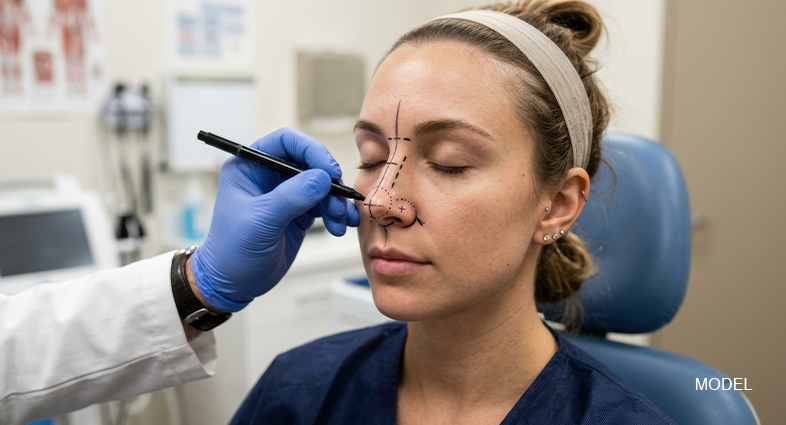
Preparation begins with a detailed consultation.
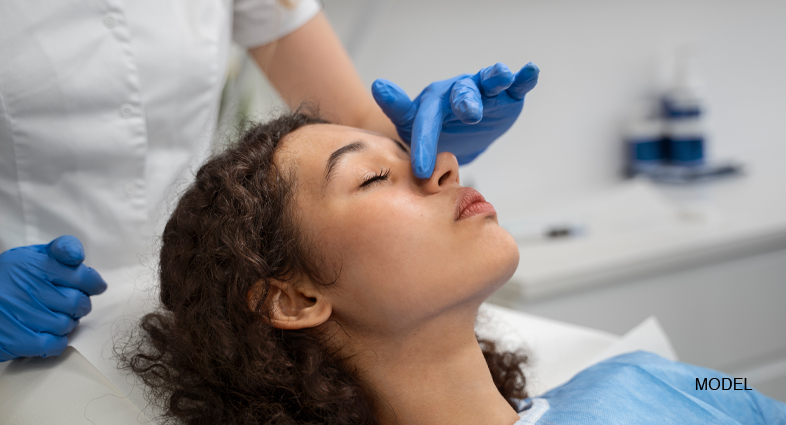
The surgeon may review your medical history, medications, previous nasal procedures, breathing concerns, and reasons for considering surgery. A physical examination of the nose and surrounding facial structures is also important.
Photographs may be taken from multiple angles to help evaluate the nose and discuss surgical goals. Your surgeon should also explain what rhinoplasty can realistically accomplish and what limitations may apply.
Before surgery, you may be instructed to adjust certain medications or supplements and avoid smoking. Medication changes should only be made according to your surgeon’s instructions.
You will also need to arrange transportation and appropriate support for the initial recovery period.
What Is Rhinoplasty Recovery Like?
Recovery varies according to the procedure, surgical technique, individual healing, and extent of structural modification.
Swelling, bruising, congestion, and tenderness can occur during the early recovery period. A splint may be placed on the outside of the nose, while internal splints may sometimes be used.
Many patients need approximately a week away from work or school, although individual recovery timelines vary. More strenuous activities may need to be restricted for longer.
Initial swelling generally improves over the following weeks, but subtle swelling can persist for months. The final nasal contour may continue to refine for a year or longer.
Following postoperative instructions and attending scheduled follow-up appointments are important parts of recovery.
What Are the Risks of Rhinoplasty?
Like other surgical procedures, rhinoplasty carries potential risks.
Possible complications include bleeding, infection, anesthesia-related complications, changes in sensation, breathing difficulties, scarring, swelling, asymmetry, septal perforation, and the possibility of additional surgery.
Not every patient experiences complications, but understanding potential risks is an important part of informed consent.
Your surgeon should explain which risks are particularly relevant to your anatomy and procedure.
Choosing a Surgeon for Rhinoplasty
Because rhinoplasty involves both cosmetic and functional considerations, choosing an appropriately qualified surgeon is important.
During your consultation, ask about the surgeon’s training, experience with rhinoplasty, surgical facility, and approach to patient safety. You should also feel comfortable discussing your goals and concerns openly.
A qualified surgeon should explain the proposed procedure, potential risks, expected recovery, and realistic outcomes rather than guaranteeing a specific appearance.
Reviewing before-and-after photographs may also help you understand the surgeon’s experience, although photographs cannot guarantee how your own results will look.
Setting Realistic Expectations
Rhinoplasty can change the appearance and structure of the nose, but every patient’s result is different.
Factors such as skin thickness, cartilage strength, facial proportions, previous surgery, healing response, and the specific surgical technique can influence the final result.
It is also important to understand that facial asymmetry is normal. The goal of rhinoplasty is generally improvement and appropriate balance rather than perfect symmetry.
Because swelling can persist for an extended period, the appearance of the nose during the early recovery period should not be considered the final result.
Frequently Asked Questions
1. What are the main rhinoplasty procedures?
The two primary surgical approaches are open and closed rhinoplasty. Other procedures may focus on specific areas, such as the nasal tip, bridge, or nostrils, or address functional concerns such as impaired nasal breathing.
2. What is the difference between open and closed rhinoplasty?
Open rhinoplasty uses an incision across the columella in addition to internal nasal incisions. Closed rhinoplasty uses incisions inside the nose. The appropriate approach depends on the patient’s anatomy and the changes required.
3. How long does rhinoplasty recovery take?
Initial recovery often takes several weeks, but the timeline varies. Many patients can return to work or school after approximately a week, while swelling and refinement of the nasal contour can continue for many months.
4. Can rhinoplasty improve breathing?
Rhinoplasty may improve breathing when structural problems affecting the nasal airway are addressed. In some cases, septal correction or other functional techniques may be performed alongside rhinoplasty.
5. Is rhinoplasty permanent?
Rhinoplasty is intended to create long-lasting structural changes, but the nose continues to change naturally with aging. Healing and refinement can continue for an extended period after surgery, and individual results vary.
Conclusion
Understanding the different rhinoplasty procedures can help patients approach a consultation with more realistic expectations. Rhinoplasty may address cosmetic concerns such as the nasal bridge, tip, nostrils, or overall proportions, while functional procedures can address certain structural problems affecting breathing.
Open and closed rhinoplasty are two common surgical approaches, but the specific techniques used during surgery depend on each patient’s anatomy and goals. Preparation, postoperative care, and patience during the healing process are equally important.
Because rhinoplasty is a complex procedure involving both appearance and nasal function, an individualized evaluation with a qualified surgeon is essential. A thorough consultation can help determine which approach may be appropriate and what results can reasonably be expected.