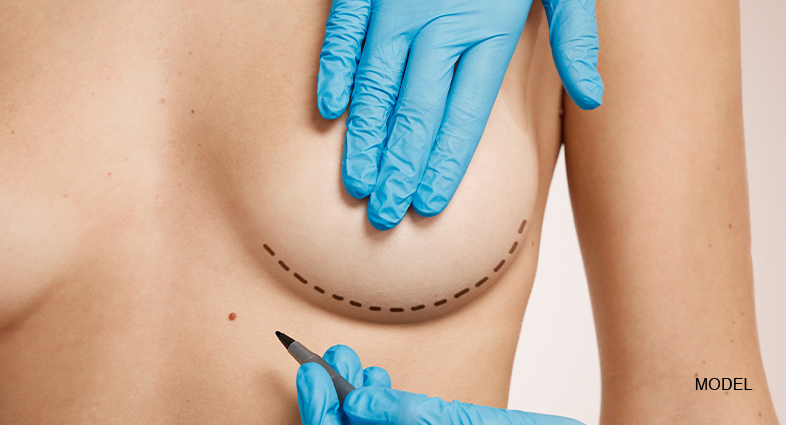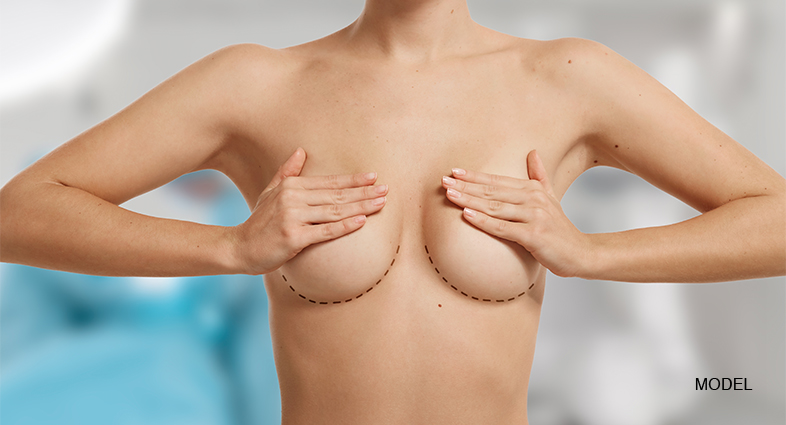


If you are searching for breast implants near me, you may be considering breast augmentation to increase breast size, restore volume, or change the shape and proportions of your breasts. Choosing breast implants is an important medical decision that involves more than selecting an implant size. Your surgeon will consider your anatomy, goals, breast tissue, skin characteristics, and overall health when discussing your options.
Understanding the types of implants available, the consultation process, potential risks, recovery, and long-term considerations can help you prepare for an informed conversation with a qualified plastic surgeon.
What Are Breast Implants?
Breast implants are medical devices placed under breast tissue or beneath the chest muscle to increase breast size or restore breast volume. They may also be used for breast reconstruction following cancer surgery, trauma, or certain developmental conditions.
In the United States, the FDA has approved two primary types of breast implants: saline-filled implants and silicone gel-filled implants. Both have a silicone outer shell, although they differ in their filling material, design characteristics, and available shapes and sizes.
Your surgeon can explain the differences between available implant options and how they may relate to your individual goals.
Why Are People Searching for Breast Implants Near Me?
Searching for breast implants near me can help patients identify plastic surgeons and surgical practices within a convenient distance. Location can be an important consideration because breast augmentation involves consultation, surgery, follow-up appointments, and postoperative monitoring.
However, proximity should not be the only factor when choosing a surgeon. Look for a qualified plastic surgeon with appropriate training and experience in breast surgery. During your consultation, ask about the surgeon’s experience, the implant options available, the surgical approach, and postoperative care.
Saline vs. Silicone Breast Implants
One of the decisions discussed during a breast augmentation consultation is whether saline or silicone gel implants are appropriate.
Saline Implants
Saline implants contain sterile saltwater solution. If a saline implant ruptures, the saline is generally absorbed by the body and the implant can visibly deflate.
Silicone Gel Implants
Silicone gel implants contain silicone gel inside the outer shell. A silicone implant rupture may not cause an obvious change in breast appearance or sensation, which is sometimes referred to as a silent rupture. The FDA notes that MRI is the most effective imaging method for detecting silent silicone implant rupture, while ultrasound can be used as an alternative screening method for asymptomatic patients.
Neither type is automatically appropriate for every patient. Your surgeon can discuss the characteristics of each option and how they fit your treatment goals.
How Are Breast Implants Chosen?
Implant selection involves several factors rather than simply choosing a particular cup size.
Your surgeon may consider:
- Breast width and existing tissue
- Skin elasticity
- Chest and body proportions
- Desired changes in breast volume
- Implant shape and profile
- Implant placement
- Existing breast asymmetry
- Lifestyle and personal preferences
The FDA recommends discussing implant size, shape, surface texture, placement, incision location, expectations, and potential risks with your surgeon before surgery.
A consultation allows these factors to be considered together rather than selecting an implant based solely on photographs or a particular size.
What Happens During a Breast Implant Consultation?
During a consultation, the surgeon will typically review your medical history and examine your breasts and surrounding anatomy. You can discuss your goals, concerns, previous surgeries, and expectations.
Your surgeon may also explain different implant profiles, sizes, shapes, surfaces, and placement options. Depending on your anatomy, additional procedures may sometimes be discussed.
This appointment is also an opportunity to ask questions about the surgical technique, anesthesia, recovery, potential complications, and long-term monitoring.
The FDA requires manufacturers of approved breast implants to provide patient labeling and a patient decision checklist designed to help patients understand the benefits and risks before implantation.
Breast Implant Placement
Breast implants can be positioned in different locations depending on the patient’s anatomy and the surgeon’s approach. Placement may be above or below the chest muscle, with the specific technique selected based on factors such as existing breast tissue, implant characteristics, and surgical goals.
There is no single placement that is appropriate for everyone. Your surgeon can explain how different approaches may affect the appearance, recovery, and potential complications.
Recovery After Breast Augmentation
Recovery varies between patients and depends on the surgical technique, implant placement, and whether other procedures are performed at the same time.
You may experience temporary swelling, bruising, tightness, or soreness after surgery. Your surgeon will provide specific instructions regarding wound care, activity restrictions, medications, sleeping positions, and follow-up appointments.
It is important not to assume that recovery will follow an identical timeline for every patient. Your surgeon should provide individualized guidance based on your procedure and progress.
Understanding the Risks of Breast Implants
Breast implants can provide an option for breast augmentation or reconstruction, but they also carry potential risks.
The FDA identifies complications that can include capsular contracture, breast pain, changes in sensation, infection, rupture or deflation, asymmetry, and additional surgery.
The FDA also identifies a risk of breast implant-associated anaplastic large cell lymphoma (BIA-ALCL), a rare type of non-Hodgkin lymphoma associated more frequently with textured implants than smooth-surfaced implants.
These risks should be discussed directly with your surgeon before making a decision.
Are Breast Implants Permanent?
Breast implants are not considered lifetime devices. The FDA states that the longer implants remain in place, the greater the likelihood of complications or additional surgery. However, the lifespan of an individual implant cannot be predicted precisely.
Some patients may eventually require implant removal, replacement, or another breast procedure. This possibility should be part of your long-term planning before surgery.
Patients should also follow their surgeon’s recommendations for monitoring. For silicone implants, imaging may be recommended to screen for rupture even when there are no symptoms.
Choosing a Breast Implant Surgeon Near You
When searching for breast implants near me, consider the surgeon’s qualifications, experience with breast procedures, surgical facility, communication style, and approach to patient safety.
During a consultation, ask:
- What implant options are available?
- Which implant characteristics are appropriate for my anatomy?
- Where will the implants be placed?
- What type of incision will be used?
- What are the potential risks and complications?
- What should I expect during recovery?
- What long-term monitoring will I need?
A qualified surgeon should be willing to explain both the potential benefits and limitations of treatment so you can make an informed decision.
Frequently Asked Questions
1. What types of breast implants are available?
The FDA has approved saline-filled and silicone gel-filled breast implants in the United States. Both have silicone outer shells but differ in their filling material and other characteristics.
2. How do I choose the right breast implant size?
Implant selection depends on your anatomy, existing breast tissue, chest dimensions, skin characteristics, and desired outcome. Your surgeon can help you evaluate appropriate options during a consultation.
3. How long do breast implants last?
There is no specific expiration date that applies to every implant. Breast implants are not lifetime devices, and the likelihood of complications increases the longer they remain in place.
4. Do breast implants need to be monitored?
Yes. Patients should follow their surgeon’s recommendations for monitoring. Silicone implants may require imaging such as MRI or ultrasound to screen for rupture, including silent rupture.
5. How do I find a breast implant surgeon near me?
Look for a qualified plastic surgeon with experience in breast augmentation and access to an appropriate surgical facility. During a consultation, discuss implant options, surgical technique, risks, recovery, and long-term follow-up.
Conclusion
Searching for breast implants near me is a useful starting point, but choosing breast augmentation involves careful consideration of your anatomy, goals, implant options, surgical approach, and long-term expectations.
Saline and silicone implants have different characteristics, and neither option is universally appropriate for every patient. Breast implants also carry potential complications and are not lifetime devices, making long-term follow-up an important part of treatment planning.
A consultation with a qualified plastic surgeon can help you understand your available options and determine whether breast augmentation is appropriate for you. Taking time to discuss the benefits, risks, recovery, and long-term considerations can help you make an informed decision about your breast surgery.